Cervical Spine Diagnosis After an Accident: Patient Care
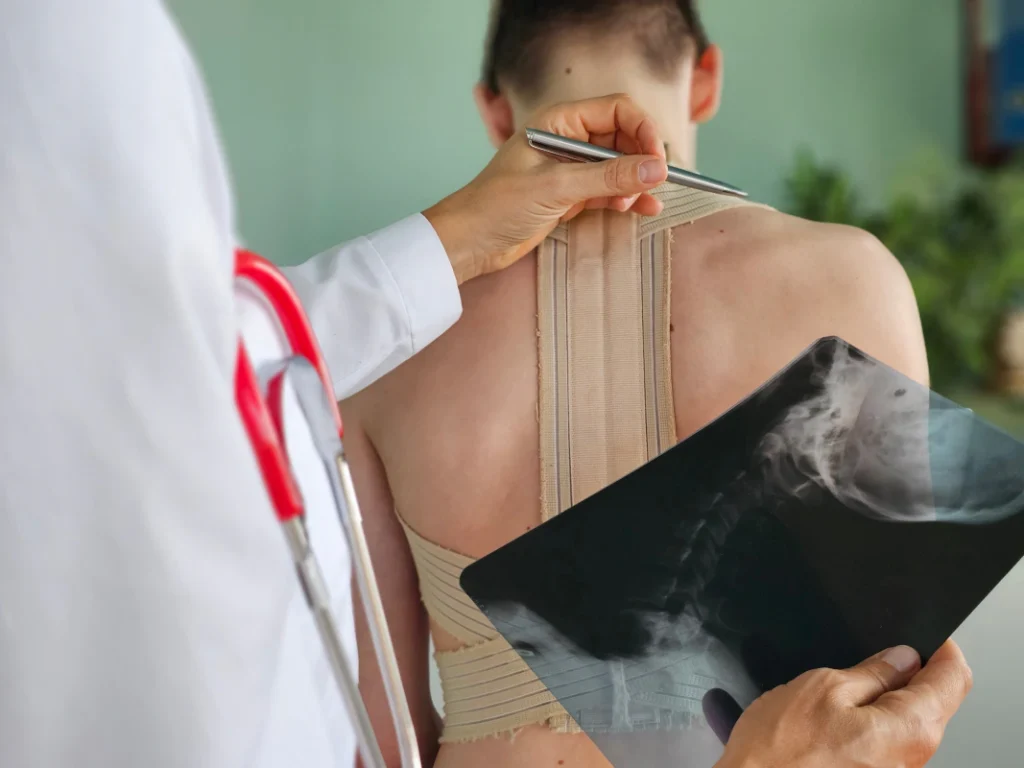
When you injure your neck in a crash, getting a proper cervical spine diagnosis isn’t just another item on the checklist. It’s your roadmap to recovery. Your neck is an important area. Muscles, joints, discs, and nerves are all packed together. After an accident, they can send overlapping signals: stabbing pain, stiffness, relentless headaches, whiplash, or limited movement. From the outside, it’s tough to know what’s really hurt.
Don’t settle for guesswork. You need a real diagnosis, fast. Why? Because different injuries demand different treatments. What eases a muscle strain won’t help a hidden herniated disc pressing on a nerve. Skip the guessing, and you get care that works. It’s not just short‑term pain relief, but a plan that tackles the root of the problem and keeps your spine healthy for years to come.
Why Cervical Spine Diagnosis Matters After an Accident
Here’s how an accurate cervical spine diagnosis works: your doctor starts with questions. It’s not just “Where does it hurt?” but “How did the crash happen? Which way did you turn? How fast was the other car?” Details matter because the mechanics of the accident point to what’s most likely damaged.
Next comes the hands‑on exam. The doctor feels along your neck, checking for tender spots or muscle tension. They’ll ask you to turn, tilt, and bend your head to see which moves trigger pain or get blocked. They keep it careful, though. No one wants to make things worse.
Then, they dig deeper. They test your reflexes with taps and pinches, and may brush your skin to check your sensation. Numbness, tingling, or weakness could mean a nerve was injured in the accident. If there’s any doubt, imaging steps in: X‑rays to rule out fractures or misaligned bones, or an MRI for a clear look at discs, nerves, and soft tissues.
Finding the Best Care for Your Neck
Once the picture is complete, your doctor chooses the right path forward. No two neck injuries are the same, so care isn’t one‑size‑fits‑all. Rest, rehab, or medication may be good enough for some patients. Others may require a specialist or surgery. Getting the diagnosis right from the start helps you avoid chronic pain and return to normal life.
To keep it simple, here’s what doctors do during that first appointment:
| Step | Focus | Goal |
| Medical History | How the crash happened, when the pain started | Figure out what forces hit your neck and how the symptoms started |
| Physical Exam | Checking muscles, tendons, joints | Find what hurts and where you tense up |
| Range of Motion | Turning, bending, and tilting your head | See what your neck can and can’t do |
| Neurological Check | Reflexes, sensation, and muscle strength | Spot nerve trouble or spinal cord issues |
| Diagnostic Imaging | X-ray, MRI, or CT scan | Get clear views of bones, discs, and nerves to spot tears or fractures |
Bottom line: you need answers fast after any accident. Don’t wait and hope those symptoms just drift away. Get a thorough neck evaluation so you get targeted care and can get back to living your life.
Case Study 1: Cervical Spine Diagnosis and Rehab Treatment for Neck Pain
Patient Concern
A 34‑year‑old driver was rear-ended while waiting at a red light during rush hour. At first, his neck just felt a little stiff. By the next morning, though, the discomfort had escalated. Sharp pain shot through his neck whenever he tried to turn his head, his muscles locked up, and dull headaches set in. When none of this eased, he decided it was time to seek professional care.
Evaluation and Cervical Spine Diagnosis
The clinical team performed a full physical exam. They quickly saw that his neck couldn’t rotate or bend to the side as it should. Arm strength and reflexes checked out normal. X‑rays ruled out fractures or dislocations. Based on his symptoms and exam findings, the team made a cervical spine diagnosis of acute cervical strain and joint sprain.
Treatment Plan
Surgery wasn’t necessary. Instead, the team prescribed rehab treatment for neck pain to calm inflammation and restore spinal stability. The rehab specialist explained that with time and the right movement, his soft tissues could heal naturally. His personalized program included gentle hands‑on rehab, guided stretches, and exercises to improve posture. He’d come in three times a week for six weeks for targeted cervical spine treatment.
Recovery Progress
The first two weeks focused on soft‑tissue massage and passive range‑of‑motion exercises to soothe and settle the area. Once the swelling had eased, he moved on to isometric exercises that engaged muscles without strain. By week four, resistance training targeted his upper back and shoulders. With each stage, his rehab provider monitored progress closely. The structured routine paid off: his neck moved more freely, and the tension headaches faded.
Outcome
By week eight, he was pain‑free, headache‑free, and back to full mobility. Daily life felt normal again, as if the crash had never happened. This case highlights the value of early evaluation and consistent rehab. Every injury is unique, but with the right diagnosis and commitment to treatment, recovery is absolutely possible.
Case Study 2: Identifying Narrowing Cervical Spine Symptoms
Patient Concern
A 48‑year‑old passenger was hit from the side in a car accident. Afterward, her neck felt stiff, and she couldn’t move it like before. Over the next few weeks, pain spread from her neck into her shoulder blade and arm. Some days, when she tilted her head back, her fingers tingled.
Evaluation and Cervical Spine Diagnosis
During the exam, the doctor noticed narrowing cervical spine symptoms. Her neck couldn’t bend back well, and nerve tension tests were positive. Still, physical signs alone don’t confirm spinal canal narrowing. To be sure, the doctor ordered an MRI. The scan showed some old disc space narrowing plus fresh swelling from the crash. Together, these findings pointed to a cervical injury.
Treatment Plan
Her symptoms weren’t severe, so the care team chose a conservative plan: calm the inflammation, correct posture, and rebuild neck strength through rehab. She had regular check‑ins to watch her nerves and make sure the pain didn’t worsen.
Recovery Progress
She began a neck‑friendly exercise routine to ease joint pressure and strengthen support muscles. Rehab specialists also gave her tips for setting up her desk to protect her neck. Six weeks later, the tingling eased, and her neck moved better. Specialists stayed in the loop in case her condition changed.
Outcome
By three months, she could move her neck without pain, and the arm tingling was gone. Her recovery shows why imaging matters and why a careful, step‑by‑step plan can help patients heal safely without unnecessary surgery.
Case Study 3: Cervical Disc Pain After a Car Wreck
Patient Concern
A 29‑year‑old driver was hit from behind on the highway. Her neck snapped back – a classic case of whiplash. Sharp upper spine pain hit her right away and didn’t let up. Over the next two weeks, stabbing pain shot down her left arm to her thumb. Simple tasks like lifting, sleeping, or driving became almost impossible.
Evaluation and Cervical Spine Diagnosis
During her exam, her left biceps reflex showed weakness, and she struggled to lift her wrist. The doctor suspected nerve root trouble and ordered an MRI. The scan confirmed it: a herniated disc pressing on the C6 nerve root. With that detail, the cervical spine diagnosis was clear.
Treatment Plan
The first step was to ease nerve pressure and manage cervical disc pain. She started anti‑inflammatory meds and a rehab program to stabilize her neck and reduce swelling around the nerve.
Recovery Progress
She underwent traction treatment and gentle nerve-mobilizing exercises. Four weeks in, the pain running down her arm had eased a lot. She then moved on to targeted neck and core exercises to support the injured disc. At each checkup, she showed steady progress.
Outcome
Three months later, her arm strength was back, and the nerve pain was gone. Her recovery proves that even serious issues like herniated discs can improve with quick, precise diagnosis and treatment. The key is staying patient. Healing takes time, and every person’s timeline is different.
When Cervical Spine Surgery Recovery Becomes Part of the Care Plan
Most people with accident‑related neck injuries get better with conservative care: rest, rehab, maybe a collar for a short time. Sometimes, however, recovery isn’t that simple. If your arms grow weaker, your hands stop working well, or nerve problems keep getting worse, it’s time to see a cervical spine specialist. Severe instability that risks the spinal cord, or pain that won’t ease after months of effort, can also make surgery necessary. The specialist may recommend procedures such as cervical discectomy, spinal fusion, or even an artificial disc.
Facing surgery is tough, but knowing what recovery looks like helps keep things in perspective. Cervical spine surgery recovery begins right away in the hospital. Pain control, incision care, and safe movement come first. Many patients wear a cervical collar for a while. It’s not stylish, but it protects the neck as it heals. Regular check‑ups follow, with imaging to track bone and nerve recovery.
Rehab treatment isn’t just an afterthought – it’s the engine of your comeback. Once your surgeon clears you, you start gentle exercises to restore neck movement and rebuild muscle strength. Your rehab specialist guides you through posture, safe habits, and daily activities. Recovery takes time, often months. That said, the right cervical spine treatment plan combines skilled surgery with steady rehab, aiming for lasting stability and a return to normal life.
Chiropractic Care for Neck Pain After a Cervical Spine Checkup
Chiropractic care for neck pain can bring real relief after an accident. However, it’s not a shortcut. You need a doctor’s checkup first. Adjusting the spine when there’s an undiagnosed fracture, torn ligament, or serious disc issue can worsen the injury.
You need a solid cervical spine diagnosis. X-rays, MRI, or other tests can ensure chiropractic treatment is safe. Once you get the green light, chiropractors use gentle methods to ease stiff joints, relax tight muscles, and improve alignment without risk.
Recovery works best when everyone works together. Good chiropractors share updates with your primary doctor, rehab specialist, or surgeon. If symptoms don’t improve or nerve pain develops, they stop and send you back for more tests or a specialist’s opinion. This teamwork gives you the safest, most effective path forward.
When Should You See a Cervical Spine Specialist?
Most sore necks heal on their own. However, if the pain lasts more than two or three weeks or worsens, it’s time to see an expert. If neck pain is ruining sleep, work, or daily life, don’t wait.
Watch for red flags: radiating pain, numbness, tingling, or muscle weakness in your shoulders, arms, or hands. These can mean a herniated disc or a bone spur is pinching a nerve. If imaging shows spinal cord compression or a torn disc, you need a cervical spine specialist who can guide you through both non‑surgical and surgical options.
Bottom line: take your neck seriously. The right care and the right team can help you heal and get back to living your life.
When You Might Need an Upper Cervical Spine Specialist
After some car crashes or falls, the force hits hardest at the top of your neck. This area, where the C1 and C2 vertebrae sit, is busy. These vertebrae, called the atlas and axis, carry the weight of your head and handle much of your head‑turning. When they’re injured, the pain is sharp and distinct. Common signs include upper neck pain, constant dizziness, balance problems, or headaches that start at the base of your skull and move forward.
If scans or a doctor’s exam show instability or damage in these top joints, don’t wait. That’s when you need an upper cervical spine specialist. These experts use special imaging and gentle, precise techniques to realign the joints without causing more harm. Fixing the top of your spine quickly matters, since key blood vessels and nerves run through this area.
Common Cervical Spine Symptoms After an Accident
After a crash, your neck moves violently, jerking back and forth in a split second. The first signs often show up fast: sore, stiff muscles, limited movement, and headaches that start in the back and move forward.
The damage can go further. The same forces may squeeze spinal discs or pinch nerves. When nerves are involved, pain can shoot into your shoulder, burn or tingle down your arm, or cause numbness and weakness. Even gripping or holding objects can feel impossible.
The sooner you spot and treat these symptoms, the better your chances of avoiding lasting damage. Doctors watch closely for whiplash, herniated discs, or serious nerve problems. Their goal is to catch inflammation or nerve injury before the damage spirals out of control.
Here’s a quick rundown of what to look for, what might cause it, and how serious it could be:
| Symptom Category | What You Feel | Possible Culprits | What to Do |
| Localized Neck Distress | Sharp pain, stiffness, sore to the touch | Muscle strain, sprained ligaments, facet joint injury | Schedule a standard evaluation. |
| Cranial Symptoms | Dull headaches, pressure or tension at the base of your skull, dizziness | Cervicogenic headaches, upper cervical strain | Get a physical exam. |
| Radiating Nerve Signs | Burning or shooting pain down the arm, tingling fingers, and numbness in the hand | Herniated disc, nerve root compression | See a doctor for a neurological check and an MRI. |
| Motor Deficits | Weakness in the arm, losing grip, dropping things | Serious nerve compression, possible spinal cord trouble | Get to a specialist right away. |
Don’t ignore symptoms after a neck injury, especially if they’re changing or getting worse. Quick action makes a massive difference.
How Accident Clinics Support Cervical Spine Treatment
Making medical choices after a car accident is undoubtedly stressful. Thankfully, an accident clinic helps cut through the confusion. These clinics aren’t just regular doctors’ offices. They’re built for people shaken by a crash who need fast, focused care.
From the start, the staff tracks every bruise, ache, and pain. It’s thorough. Good records help not only with recovery but also with the insurance paperwork.
Here’s where these clinics shine: their team checks you head to toe and gets you in for X‑rays or an MRI right away if needed. Finding the exact problem in your neck is step one. Once they know, they line up cervical spine treatment: maybe rehab, sometimes chiropractic care, or medication if that’s what works. Referrals and follow‑ups all happen in one place, so care runs smoothly.
If your injury is more complex, they connect you quickly with a neurosurgeon or orthopedic specialist. No waiting around, no guessing what to do next. The goal is simple: a team that monitors your overall recovery, adjusts treatment as needed, and gives you the best chance of feeling like yourself again.
FAQ: About Cervical Spine Diagnosis and Recovery
1. What happens when you get checked for a neck injury after an accident?
Your doctor listens to your story, checks muscles and nerves, and tests how well your neck moves. If needed, they order X‑rays, a CT, or an MRI. The goal is a clear picture of your bones, discs, and nerves.
2. Can rehab really help my neck pain after a crash?
Yes. Rehab uses exercises to reduce inflammation, restore movement, and strengthen muscles for daily life.
3. What are the signs of a narrowing cervical spine?
Watch for a stiff neck, sore muscles, arm pain that shoots down, tingling in fingers, or weakness. Only imaging, like an MRI, can confirm what’s really going on.
4. How long does it take to recover from cervical spine surgery?
It depends on the surgery and your health. Many feel better after a few weeks, but full recovery can take three months to a year.
5. Is seeing a chiropractor safe for neck pain after a collision?
It’s safe, but only after a doctor checks you first. You need to rule out fractures or ligament damage. If cleared, gentle chiropractic care can help with mobility and muscle pain.
6. When should I see a cervical spine specialist?
If neck pain lasts more than two or three weeks, gets worse, or causes numbness or tingling in your arms, see a specialist. Also, if scans show a herniated disc or spinal cord pressure, you need expert care.
7. Who needs to see an upper cervical spine specialist?
If the top of your neck (C1, C2) is injured and you have severe stiffness, dizziness, balance problems, or headaches, you need an upper cervical spine specialist.
8. What are the most common neck-related symptoms after a car crash?
The most common symptoms are neck pain, muscle spasms, stiffness, headaches that start in the neck, shooting pains, numbness in the arms or hands, and weakness.
9. Why do I have disc pain in my neck after a crash?
A collision can damage the discs between neck bones. If a disc bulges or ruptures, it may press on nerves and cause sharp neck or arm pain.
10. What are the main treatment options for cervical spine injuries?
Options range from rest and medication to rehab and chiropractic care, to injections or surgery if severe. It depends on the injury and how you respond to early care.
What Comes Next in Your Recovery
Getting a clear cervical spine diagnosis is the first big step toward safe recovery after an accident. It helps you avoid long-term problems. Medical care matters, but your daily habits matter, too. Small changes all protect your spine over time. These include sitting up straight at your desk, using pillows that support your neck, doing gentle stretches, and watching how you move.
If you or someone you care about can’t shake neck pain, or if it’s getting worse and disrupting daily life, don’t try to tough it out. You need a specialist on your side. At Surgery Consultants of Florida, our team provides high‑quality care focused on restoring mobility and easing pain. We specialize in advanced spine and orthopedic treatments, using minimally invasive procedures, up-to-date pain management, and regenerative treatments, reserving surgery for when it’s truly needed.
We make the patient experience as smooth as possible with eight convenient Florida locations, clear, precise injury reports, and one bill for all treatments to keep recovery stress‑free.
Ready to take charge of your spinal health? Book a consultation online or send in a referral to get started. Visit any of our clinics, or call (833) 557‑7263 to talk to a specialist. Let’s get you back to living your life, starting now.