Cervical Posture Tips for Better Cervical Spine Health
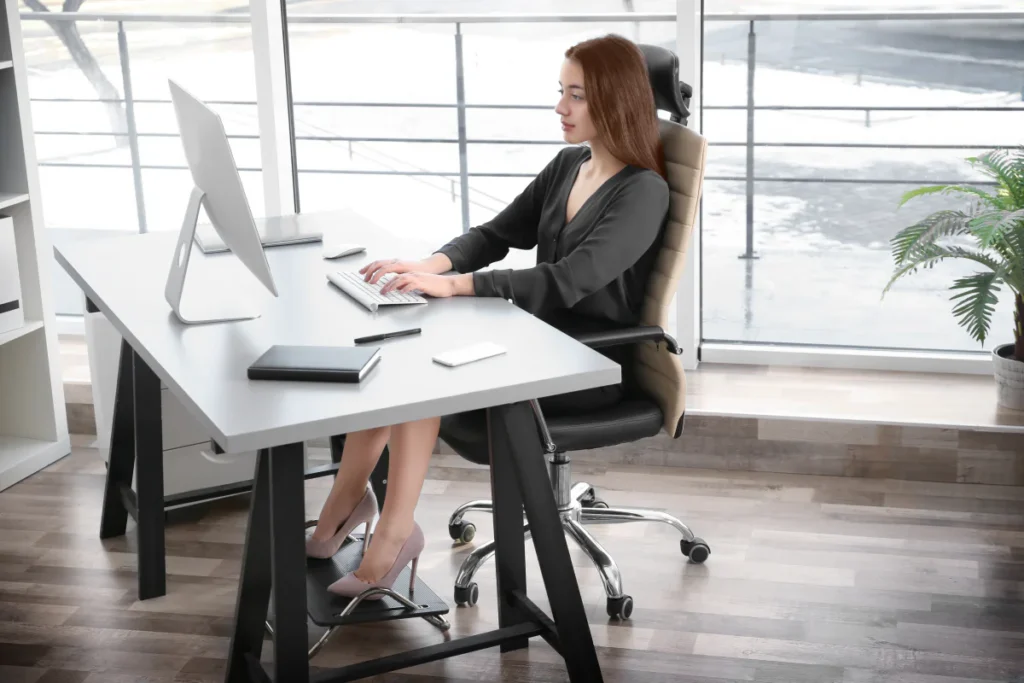
Proper cervical posture simply means lining up your head, neck, and shoulders so your spine supports your head without extra strain. The goal is to take pressure off the small joints and muscles in your neck while you go about your day. The trick? Keep your ears over your shoulders and your chin level with the ground.
When your head stays in this spot, your upper spine carries the load instead of your neck muscles. This position gives those muscles a chance to relax. Integrating small habits like this into your daily life can make a big difference. Things like raising your computer screen to eye level, sitting in a chair that supports your back, and taking quick movement breaks, can change your life.
These little tweaks keep your neck from getting sore. Good alignment also protects your spine from slow wear and tear, cuts down on headaches, and helps keep your neck healthy for the long run.
Understanding Correct Cervical Posture
Your neck is made up of seven small bones, C1 through C7, stacked at the top of your spine. These bones form a gentle inward curve called the lordotic curve. This curve does more than hold your head up. It helps balance your head and protects the nerves that run from your brain to your shoulders and arms.
Practicing correct cervical posture keeps that curve healthy. Your head, which weighs about 10 to 12 pounds, rests properly over your shoulders and chest. When your ears line up with your shoulders, your spine carries the weight as it should. Your muscles don’t strain or pull in unusual ways.
However, when your head drifts forward, like when you look down at a phone or hunch over a laptop, gravity adds pressure. Even an inch forward makes your neck feel like it’s holding a bowling ball. Lean farther and the strain can reach 60 pounds. That’s a lot of stress for small bones and delicate nerves.
Paying attention to cervical posture helps your neck and your whole back. You protect spinal discs, keep muscles balanced, and avoid aches and stiffness. Small habits matter. Sit with support, use your devices at eye level, and take breaks when reading. Get these right and your neck will stay strong and flexible for years.
Why Proper Posture Matters
Proper posture isn’t just about standing tall when you remember. It’s about how you carry yourself all the time – at your desk, walking outside, or even lounging on the couch. Think of your feet as the base. From there, everything stacks up: hips, lower back, shoulders, and neck. Picture a string running from your ear down through your shoulder, hip, and ankle in a straight line. That’s the goal. When your core stays steady and your shoulders stay loose, your neck falls into place without effort.
Improving posture starts with small tweaks in your daily routine. Set up your workstation so your chair, desk, and monitor keep your spine upright. Keep your feet flat, knees bent at 90 degrees, and avoid leaning forward to see your screen.
Posture Improvement at Work and Beyond the Desk
Take breaks often. Stand up every half hour, stretch your chest, roll your shoulders back, and move around. These little resets stop your muscles from locking up. Over time, posture improvement becomes second nature, and your neck and back will feel better.
Don’t limit posture awareness to work. Pay attention when driving, relaxing, or exercising. Being mindful of how you move and setting up your environment protects your muscles from slow strain. When posture improvement becomes a habit, your spine gets the support it needs, and good alignment feels natural instead of forced.
The Physical Toll of Cervical Spine Bad Posture
Cervical spine bad posture can wear down your whole system. When you spend hours slouched over a laptop or squinting at your phone, your upper back rounds and your head pushes forward. That position stretches the muscles in your upper back until they feel stiff, sore, and tired. Over time, you might not be able to move your neck the way you used to.
It’s not only about sore muscles. Poor posture grinds away at your neck joints and the discs between your vertebrae. Extra pressure squeezes those discs, which can lead to bulging, swelling in the facet joints, or pinched nerves. That’s when sharp pain shoots into your shoulders, upper back, or arms, along with numbness or tingling in your hands and fingers.
Bad alignment also sparks tension headaches and muscle spasms. The muscles at the base of your skull pull on their tendons, leaving you with a dull throb behind your eyes or a headache that won’t quit. The good news is that fixing cervical posture early helps stop those daily aches from turning into long‑term spinal problems.
Ignore it, and your body adapts in all the wrong ways. Ligaments and joint capsules stiffen, chest muscles tighten and shorten, while upper back muscles weaken. Pulling yourself out of this cycle isn’t a quick fix. It takes steady effort, awareness of how you move, and regular stretching. Stick with it, and your neck will thank you.
Smart Solutions for Cervical Spine Support
Taking care of your neck doesn’t have to be complicated. A few smart habits can give you solid cervical spine support every day. Start with your workspace. If you’re at the office for long hours, use an ergonomic chair with adjustable armrests and a lumbar cushion. It helps your spine keep its natural curve without much effort. And don’t forget your monitor. Keep it at eye level so you’re not craning forward or tilting your head while you type.
Sleep is another big one. The right pillow makes a huge difference because your body does most of its healing overnight. A contoured cervical pillow should fill the gap under your neck without pushing your head too high. Side sleepers can line up their nose with their breastbone, while back sleepers should look for gentle lift under the neck’s curve.
Travel can be tricky, too. Long hours in a car or plane stiffen you up fast. Adjust your headrest so the middle of the pad sits right behind your head, not at the base of your neck. This keeps your neck steady during sudden jolts and prevents that forward tilt on long drives.
Finally, set up your spaces to support good posture. Small upgrades, like a lumbar roll or a document stand, make it easier to sit tall without thinking about it. A few simple tweaks can take the strain off your upper spine and keep you moving comfortably.
How to Improve Cervical Spine Health Through Routine
Learning how to improve cervical spine health isn’t about fancy gear. It’s about building simple routines that keep your neck strong. The muscles in your upper back, shoulders, and core are the real support system. If they’re weak, your shoulders slump, your head drifts forward, and your neck takes the hit. Resistance moves like shoulder blade squeezes, wall angels, and rows are easy but powerful. They pull your shoulders back and strengthen the muscles that protect your neck.
Stretching matters, too. Add quick neck tilts, side stretches, and gentle chin tucks to your day. Just a few minutes twice daily keeps muscles loose and joints moving the way they should. It’s a simple fix for the tightness that builds up from sitting too long or staring at screens.
Don’t skip the basics. Stay hydrated and keep up healthy routines. Your spinal discs need water to stay cushioned and absorb shocks. Combine good posture, regular exercise, and hydration, and your neck becomes stronger and more resilient.
All it takes to achieve healthy cervical posture is a few consistent minutes in the morning and before bed. Move your neck and upper back the right way, and over time you’ll notice less stiffness and fewer aches.
Everyday Cervical Health Tips That Actually Work
Small daily choices can save your neck from a lot of pain. Kick off your morning with gentle neck rolls and reach your arms overhead to get your blood moving. Also, don’t wedge your phone between your ear and shoulder. Nothing good comes from that. It’s a quick way to sore muscles and cranky joints.
Set limits with screens, too. Look up every so often and try holding your phone or tablet closer to eye level. Using speakerphone or voice‑to‑text helps cut down on hunching. These simple moves really do make a difference.
Pay attention to how you carry your bags or backpacks. Slinging a heavy bag on one shoulder throws off your alignment and strains one side of your neck. Switch sides often or, better yet, use a backpack with two straps so the weight spreads evenly.
Build these little cervical health tips into your day and you’ll keep your spine flexible, your muscles happier, and those nagging aches at bay.
Simple Ergonomic Tweaks for Your Workday
Tiny changes at your desk can make a big difference in how your neck feels by the end of the day. Keep your keyboard and mouse close so your elbows rest at a comfortable right angle. That way, your shoulders don’t creep forward and your neck stays relaxed.
If you’re always looking at notes or printed documents, don’t leave them flat on the desk. Use a document holder to raise them. It’s a small change that saves you from constantly bending your neck forward, especially during long work sessions.
Here’s a quick cheat sheet:
- Set your monitor at eye level. Don’t keep it too low or off to the side.
- Use a lumbar cushion. Flat backrests don’t give enough support.
- Hold phones and tablets higher, not down by your waist.
- Elevate papers with a document holder instead of laying them flat.
- These small adjustments bring big relief. Your neck will thank you.
When to See a Doctor for Neck Problems
Most neck aches ease up with stretching and a better workspace. But if pain sticks around for weeks, it’s time to see a spine specialist. Numbness, tingling, or weakness that runs down your shoulders, arms, or hands usually means nerves are being pressed from a bulging disc or bone spur. Getting help early can prevent symptoms from getting worse.
If your neck pain starts after a car crash, sports injury, or serious fall, don’t ignore it. Trouble buttoning a shirt, walking oddly, or waking up in severe pain at night are red flags. Get checked right away. Specialists use imaging and hands‑on exams to figure out what’s happening and build a treatment plan that fits you.
When rest and self‑care aren’t enough, working with experts who know spines inside and out is the best move. They’ll find the cause of your pain and connect you with treatments that actually work, often without surgery.
FAQ: Cervical Posture Guide
1. How do I know if my neck alignment is off?
Try this quick check: stand sideways against a wall with your feet flat. If the back of your head doesn’t touch the wall, or it’s a few inches away, your alignment probably needs some work.
2. Can poor neck posture cause tension headaches?
Yes. When your head pokes forward all day, it strains the base of your skull and can trigger tension headaches. Getting your neck back in line often helps ease them.
3. Is it better to sleep on my back or side for neck health?
Both back and side sleeping are fine as long as your pillow supports your neck’s natural curve. Try to avoid stomach sleeping since it twists your neck for hours.
4. How fast can I improve my neck posture?
With regular stretches, strengthening, and a better setup at work, you’ll usually feel less stiff in a few weeks. Real change happens when you retrain your muscles and habits. This may take a couple of months, but it’s certainly worth sticking with.
5. Do posture correctors help with forward head tilt?
They can remind you of your posture for a while, but relying on them too much may weaken your back and neck muscles. The real fix is building strength in your core and upper back.
6. What exercises strengthen the neck-supporting muscles?
Try chin tucks, shoulder blade squeezes, seated rows, and wall angels. Do them daily. These moves pull your shoulders back and help align your neck.
7. Can a better office chair ease my neck pain?
Definitely. An ergonomic chair with proper armrests and lumbar support helps you sit right, stops slouching, and takes pressure off your neck and upper back.
Getting Back Your Spine Health
Staying mindful of your cervical posture pays off for life. Small changes like stretching, better ergonomics, and keeping your head aligned go a long way toward preventing stiffness and keeping your joints healthy. Pay attention now, and you’ll stay active and pain‑free as you get older.
If pain, numbness, or limited movement keep getting in the way, reaching out to experienced spine specialists can make all the difference. Surgery Consultants of Florida has over 30 years of expertise in orthopedic and neurosurgical care. We focus on advanced, minimally invasive treatments and modern pain management, so you don’t end up with unnecessary surgery.
Whether you’re dealing with desk‑related strain or recovering from an injury, we’ll build a plan that gets you moving again and improves your everyday life. With offices across Florida, help is always close by.
Don’t let neck pain run your life. Visit our Locations page to find a clinic near you. Learn more about our doctors and treatment options. Contact us online or call (833) 557‑7263 to book an appointment. Take that first step – your neck will thank you.