Cervical Spine Treatment: X-Rays, MRI, CT Scans, and Nerve Tests
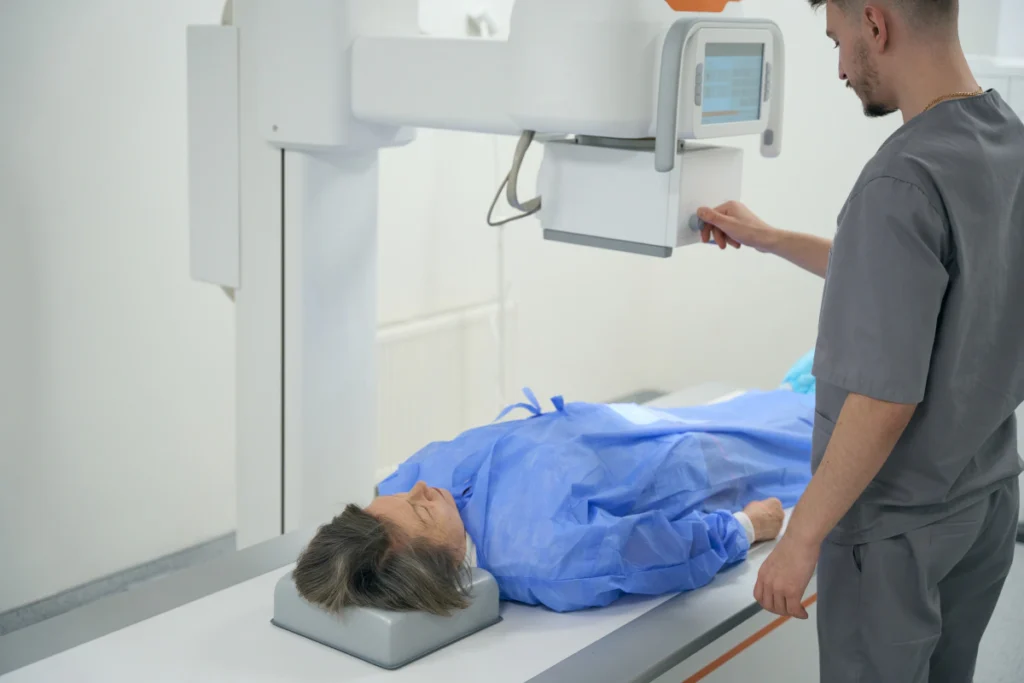
It can be very exhausting performing daily activities with chronic neck pain. This makes it essential to know why you have pain before starting your cervical spine treatment. Using your medical history, a physical examination, and fast imaging is a safe way to guide your healing process.
Once you identify the cause of the pain, you can treat it much easier. After that, doctors will choose suitable examinations that will lead to lasting cervical pain relief.
How Cervical Spine Problems Are Diagnosed
The process to examine your spine and diagnose your condition involves evaluating your lifestyle and daily pain. Your healthcare provider poses questions pertaining to previous neck injuries, your work environment, sleeping positions, and other activities. This examination process involves testing your neck range of motion, arm strength, skin sensitivity, and basic reflexes.
A hands-on examination makes it possible to accurately detect nerve compression and irritation in your neck. As a result, your preliminary spine diagnosis dictates whether you will need further testing or imaging scans.
Common Cervical Spine Tests During an Examination
During the examination, your physician examines the functioning of your cervical spine during the entire day. Your physician determines the range of motion of your head sideways, backward, and forward.
Your muscular strength in the shoulders, arms, wrists, and fingers is evaluated. Moreover, your joints are tapped with a small rubber hammer to test your basic reflexes.
- Head movement: Determines restrictions in the movement of your head to identify joint stiffness and tight muscles.
- Muscle strength: Determines your arm strength to identify any hidden nerve problems in your hands.
- Sensation and Reflexes: Determines the condition of your nerves on the skin through light touches.
These fast tests allow your doctor to detect compressed nerves in your neck immediately. These tests will also show the true cause of your problem—muscle stiffness, joint problems, or disc damage.
When Nerve Tests May Be Recommended
Results of nerve tests show how fast nerve signals travel down your limbs. These basic tests identify exactly where nerve compression or inflammation occurs in your neck and other areas, as well.
The EMG test checks electrical activity within arm muscles at rest and in motion. In addition, nerve conduction velocity tests show how quickly nerve signals travel through your main arm pathways.
All these diagnostic tests determine whether nerve compression leads to numbness, tingling, or arm weakness. Also, they can rule out peripheral hand conditions like carpal tunnel syndrome.
Cervical Spine Imaging Options: X-Ray, MRI, and CT
Clear cervical spine imaging gives doctors a clean look inside your neck structure. These simple scans confirm your physical check findings before any real care begins.
Different scans show different body parts in unique ways. Therefore, your provider selects the best scan for your health needs and pain story to plan your cervical spine treatment.
What a Cervical Spine X-Ray Can Show
A cervical spine X-ray gives fast, clear pictures of the hard bones in your neck. It is usually the first scan providers order after a sudden fall, car accident, or sudden injury.
- Bone placement: Shows crooked, slipped, or bad bone alignment in your neck joints.
- Joint space: Checks for bone spurs, wear, and thin joint spaces between bones.
- Bone breaks: Spots bone cracks and sudden structural injuries fast after trauma.
These quick pictures show bone wear and structural alignment shifts very well. However, they cannot show soft parts like discs, bands, or main nerves.
When a Cervical Spine MRI or CT Scan May Be Used
A cervical spine MRI produces detailed images of soft tissues using no radiation. This scan captures clear views of spinal discs, soft tissues, main nerves, and the spinal cord. Doctors order an MRI in cases of lasting numbness, arm tingling, or weak arm power. This test shows whether a swollen disc compresses a nerve root inside your neck.
In addition, a CT cervical spine scan gives clear images of complex bone shapes. This procedure works well for emergency cases where fine bone detail is needed right away. Consequently, doctors use CT scans when exact bone details are crucial for your care. They also help patients who cannot get an MRI scan due to metal parts.
Choosing the Right Diagnostic Test for Cervical Spine Pain
Choosing the right scan depends on your exact pain and injury history. Your doctor matches your physical check results with the right testing method.
- Bone injuries: Best seen with basic X-rays or clear CT scans.
- Nerve pressure: Safely found using soft-tissue MRI scans.
- Nerve signals: Checked with quick electrical nerve speed tests.
Combining these clinical findings leads to a safe diagnosis and targeted cervical spine treatment plan. Put simply, you skip extra tests and get true answers about your health much faster.
Understanding Common Causes of Cervical Spine Strain
Neck discomfort often stems from simple daily acts that stress your spine. Knowing what triggers your symptoms helps you make smart choices to protect your neck.
- Poor posture: Slouching at a desk or looking down at screens puts heavy pressure on your neck joints.
- Repetitive movements: Turning your head over and over during work can strain soft neck muscles.
- Sudden movements: Quick turns, awkward sleep spots, or quick stops in a car can cause tight muscles.
Recognizing these triggers helps you adjust your habits before small aches grow into big problems. Consequently, simple routine changes prevent future pain and keep your neck moving smoothly.
When to Seek Urgent Medical Care for Neck Symptoms
Although most neck pain improves with rest and basic care, some signs need fast medical help. Watching for these warning signs helps you get the right testing and care right away.
Sudden loss of strength in your arms or hands should prompt you to see a doctor at once. The same applies when you feel bad numbness or sharp pain running down your arm. Additionally, balance issues or trouble walking must be checked by a care team right away.
Such signs can point to nerve pressure in your cervical spine area. Therefore, seeking fast care helps protect your health and prevents further issues.
Preparing for Your Cervical Spine Evaluation
By preparing for your visit, you help your medical team gather clear facts at once. Carrying along just a few key items ensures that your doctor has a complete view of your neck health.
- Record your symptoms: Note the times when your neck hurts and the daily actions that trigger your pain.
- Record your medical history: List past cervical spine injuries, prior care, past surgeries, and all current meds you take.
These preparations will assist your care team in choosing the right cervical spine test from the start. Consequently, this simple step saves time and helps you start a clear cervical spine treatment plan much faster.
Preventive Habits for Long-Term Cervical Spine Health
Basic methods can help keep joint damage from becoming a serious problem for you. With good posture and smart daily movement, you can keep a healthy cervical spine that stays free from injury.
Good posture when sitting at your desk avoids extra strain on your neck joints. Setting your computer monitor at eye level will keep your head naturally balanced above your shoulders.
Also, including light neck stretches in your daily routine builds flexibility and helps prevent muscle fatigue.
Frequently Asked Questions
Could poor posture cause cervical spine diseases?
Poor posture, such as slouching while sitting or looking down at your phone, puts extra physical stress on your neck joints, bands, and muscles. This extra strain leads to muscle fatigue, faster joint wear, and added disc stress. Making a few simple changes in your workspace helps you avoid ongoing stress in your neck.
Could cervical spine problems cause headaches?
Yes, this is very common. Headaches can arise from nerve irritation or tight muscles near the base of your neck. Health professionals refer to these symptoms as cervicogenic headaches. Identifying the true source of your pain through simple tests allows you to receive proper, targeted cervical spine treatment.
Is it necessary to have surgical procedures done for neck disease?
No, this is rarely required. Most neck conditions respond well to conservative care rather than surgical operations. Non-surgical management includes gentle exercises, daily activity changes, and simple pain relievers.
When should one consult a specialist in case of neck pain?
Consult a specialist if you suffer from constant neck pain even after a few weeks of rest and basic care. Urgent medical care is needed if you feel progressive weakness in your arm, sharp shooting pain, or hand tingling.
Getting Started With the Right Cervical Spine Treatment
The first and most important thing is to receive a proper diagnosis, which will allow you to recover quickly and feel comfortable. Finding out the true reason for your pain will prevent further harm to your joints and restore your freedom of movement.
Proper cervical spine treatment is completely based on your test results and mobility goals. You need to see a specialist who can offer the perfect set of diagnostic tools and care options for your needs.
Contact us today to schedule an appointment with us at Surgery Consultants of Florida.