Cervical Spine Pain Exercise for Neck Strength and Relief
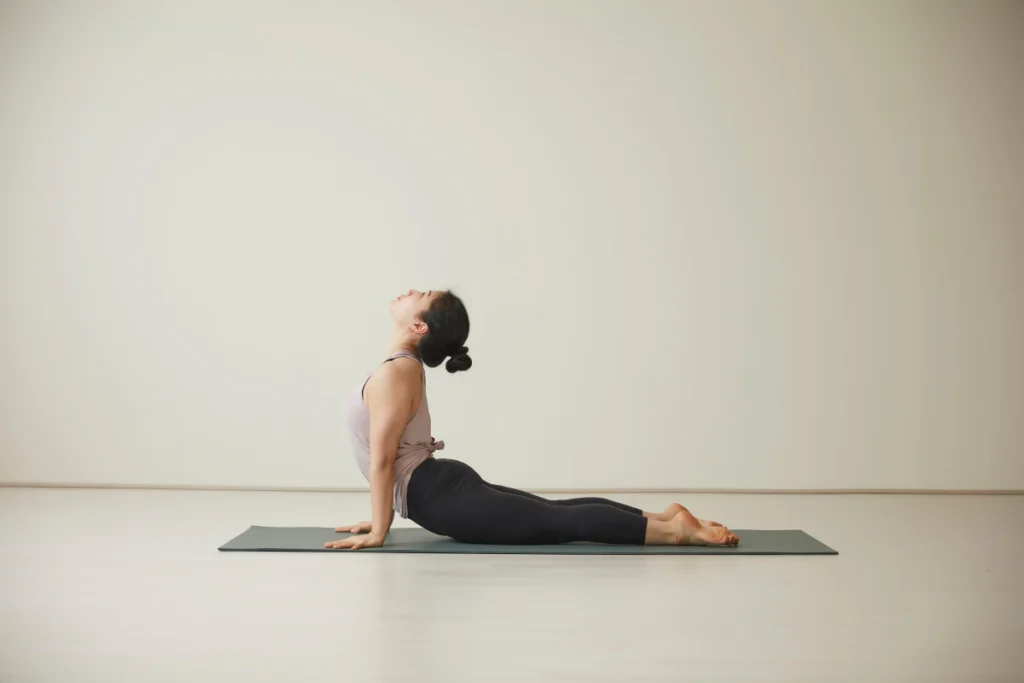
Cervical spine pain exercise will help you ease the tension in your neck. Through these simple movements, your stiffness will decrease, and your joints will grow stronger.
Your neck may ache due to the bad posture that comes from sitting all day in front of a computer. By moving your body, you will break this pattern and feel much more comfortable. However, there are some rules you need to follow when doing these movements.
These exercises should always be done slowly and steadily. It is a daily practice that will bring you true comfort.
Why Cervical Spine Pain Exercise Matters
A proper set of exercises for a healthy cervical spine makes sure that your body stays flexible and gains necessary muscle strength. They will be helpful in improving your posture, and stronger muscles mean that holding your head upright will take much less effort.
As a result, better support means reduced strain on your spine on a daily basis. Increased blood flow will allow your body to receive vital nutrients in all the tight areas, which will speed up your recovery from daily stress.
Therefore, proper physical activity protects your spine from many problems in the future.
Before You Start Neck Exercise
Do a cervical spine pain exercise only when your neck is comfortable. Putting a warm towel around your neck will loosen up your muscles.
After that, concentrate on making slow movements that will not harm your body. If you feel sharp pain or numbness in your arms, stop immediately. This is a sign that there is a more complex condition that requires medical attention.
Therefore, never put your body into a harmful position. Safe exercises will give you a feeling of a slight stretch in your muscles.
Best Cervical Spine Pain Exercise for Better Neck Health
Using a good cervical spine pain exercise plan can quickly lift your daily comfort. These eight simple moves can help you get your neck health back on track safely.
1. Chin Tucks
The cervical spine pain exercise targets the deep muscles on the front of your neck. It is helpful when correcting a forward head posture.
- Sit upright in a sturdy chair.
- Gaze directly ahead and avoid tilting your chin either up or down.
- Gradually retract your head as if creating a double chin.
- Maintain this position for five seconds.
- Release the tension and allow the muscles to return to the starting position.
Perform this exercise ten times per day. You will experience a light stretch at the base of your skull.
2. Neck Side Bends
Cervical spine stretches in a gentle way will help ease the tension that is felt on the sides of your neck. This exercise will target the smaller muscles on your side.
- Shoulders should be relaxed and lowered.
- Start by tilting your head to the right such that your right ear moves toward your right shoulder slowly.
- Pause as soon as you experience a light stretch on the left side.
- Hold this position for about fifteen seconds.
- Return your head to its initial position.
Change sides and perform the same action on the other side. Avoid raising your shoulder to touch your ear.
3. Neck Rotations
The following cervical spine pain exercise will allow you to loosen up your neck muscles. The purpose of this movement is to improve your neck’s rotation.
- Position yourself in a seated position with a straight and upright posture.
- Rotate your head to the right until you reach a comfortable range of movement.
- Do not turn your head past the point where you experience any pain.
- Hold this position for 10 seconds.
- Return to the midline position.
Repeat the process on the other side. Aim at making 5 rotations per side. Rotation exercises may aid in maintaining the proper function of spinal joints.
4. Shoulder Blade Squeezes
This move works as one of the best exercises for neck pain. It lowers the strain that desk work puts on your upper back.
- Sit up straight and let your arms hang down by your side.
- Pull your shoulders back and down away from your ears.
- Squeeze your shoulder blades back together in a firm way.
- Pretend you are holding a small ball between them.
- Keep this firm squeeze for six seconds.
Relax slowly and do the move ten times. This action can help open up your tight chest muscles. Stronger upper back muscles will keep your neck in a much better spot.
5. Isometric Neck Presses
These special neck strengthening exercises build great stability. They use resistance to create good neck muscle exercises without joint movement.
- Place your right hand flat against the side of your head.
- Press your head gently into your open palm.
- Fight the push with your neck muscles so your head stays still.
- Keep pressing for five seconds.
- Let go of the muscle tension slowly.
You can use this same trick on the front, back, and left side. It offers great cervical spine strengthening exercises for weak muscles. This move helps stabilize the joints in a safe way.
6. Upper Trapezius Stretch
This option works great among exercises for stiff neck relief. It targets the large muscle that runs from your neck to your shoulder.
- Sit on your right hand to keep your shoulder down.
- Place your left hand over the top of your head.
- Gently guide your left ear down toward your left shoulder.
- Use just a tiny bit of weight from your hand.
- Hold this deep stretch for twenty seconds.
Do this routine two times on each side. It can help clear the tight knots that cause headaches. You will feel a deep, relaxing release across your shoulders.
7. Levator Scapulae Stretch
This clear cervical spine pain exercise targets the muscle that lifts your shoulder blade. It can improve your comfort in a big way.
- Turn your head a bit to the right side.
- Look down toward your right armpit.
- Place your right hand on your head to add a soft pull.
- Keep your left shoulder pulled down toward the floor.
- Hold this pose for fifteen seconds.
Switch sides to balance the muscle tension. This move can help release the stress that builds up from typing. It can make turning your head much easier.
8. Neck Extension and Flexion Exercises
Learning how to strengthen your neck safely requires balanced movement. These are excellent exercises to prevent neck pain from coming back.
- Slowly lower your chin down toward your chest.
- Hold for five seconds to stretch the back of your neck.
- Bring your head back up to the start spot.
- Gently tilt your head back to look at the ceiling.
- Hold for another five seconds.
Do this loop five times with total control. Never rush through these vital neck care exercises. Smooth movement helps keep your joints in good shape.
Tips to Get the Best Results From Neck Care Exercises
Doing them each day can help you get the best long-term results from your routine. Try to do your cervical spine pain exercise program at least once every day. Short, daily workouts work better than one long workout each week.
On top of that, focus on your work setup. Fix your screen so it sits right at eye level. This change stops you from leaning forward during the workday.
At the same time, do not push your muscles too hard during these moves. Building strength takes time and care. Listen to your body and let it rest when it needs to.
When to See a Healthcare Provider
You should talk to a professional if your cervical spine pain exercise causes a new ache. A bad feeling that does not go away after rest needs a real check. Do not try to push through your pain.
Also, watch out for warning signs like a weak feeling in your arms or hands. Sudden tingling or a numb feeling can mean you have a more involved injury. A doctor can help find the exact cause of your neck issue.
Put simply, professional care can keep your recovery track safe. They can fix your plan to avoid a less-than-ideal outcome.
Frequently Asked Questions
How can you relieve cervical pain naturally?
You can lower the ache by doing a soft cervical spine pain exercise routine each day. Using a warm pad can relax tight muscles before you move. Keeping a straight back while you sit can also cut down joint strain.
How do you treat cervical spine problems?
Care often involves a mix of physical help and targeted movement. A regular cervical spine pain exercise can help rebuild weak muscles in a safe way. Fixing your desk setup can also stop daily strain.
How long does cervical pain usually last?
A mild muscle strain often gets better within a few weeks with good care. Doing a daily cervical spine pain exercise can help speed up this recovery time. Bigger issues may take more time to clear up completely.
Start Cervical Spine Pain Exercise Safely for Better Neck Health
Starting a regular cervical spine pain exercise plan can change your daily comfort. These simple moves can give you back your easy movement and strength. Try to stay patient as your muscles get used to the new moves.
Your neck needs proper care and good support every single day. If your neck discomfort lasts or stems from an accident, get professional help right away. Visit us to find medical and legal support near you today.