The Science Behind Regenerative Medicine: How It Works
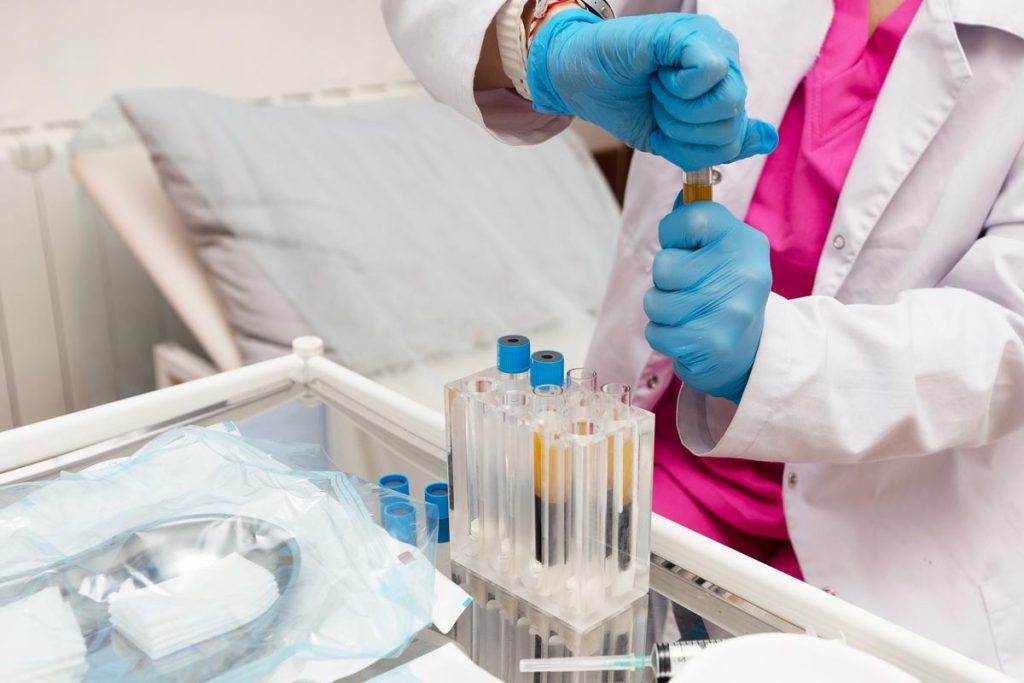
Regenerative medicine helps your body heal itself after an accident. It doesn’t just cover up pain. Instead, it helps repair injured tissue. Doctors may use treatments like platelet-rich plasma (PRP), which uses your own blood to support healing. As a result, you may notice less swelling and better movement over time.
After an injury, even simple tasks can feel hard, which can be very difficult to deal with. That’s why getting the right care matters. At Surgery Consultants of Florida, we treat accident-related injuries every day.
We provide regenerative injection therapy, including PRP, AmnioFix, and PalinGen InovoFlo. For a personal injury care plan that fits your needs, our team is the right choice.
What Is Regenerative Medicine, and Why Is It an Advanced Medical Treatment?
Let’s break it down in a simple way. Regenerative medicine is a type of care that helps your body heal damaged tissue. It focuses on fixing the cause of pain. It does not just cover it up. So, instead of hiding symptoms, it helps your body repair the injured area. Over time, you may feel less pain and move more easily.
One part of this care is regenerative therapy. This includes treatments like PRP and other natural injections. These treatments use safe, biological materials to support healing. Clinical studies show they can help joints and soft tissue recover. They also help lower swelling. For many injury patients, this can be a helpful option without surgery.
How Does Regenerative Therapy Activate the Body’s Natural Healing Process?
When you’re hurt, your body tries to heal.Sometimes, however, it needs support. That’s where regenerative medicine comes in. It helps your cells repair damage in a natural way. Instead of forcing change, it works in tandem with your body so healing feels steadier and more balanced.
These treatments help cells “talk” to each other at the injury site. As a result, your body can focus on repair. They also help calm extra swelling. Too much swelling can slow healing. The goal is to guide recovery, not replace it.
For example, stem cell treatments support tissue structure and repair. Research shows they may help joints and soft tissue recover. Because this care supports and follows normal body pathways, results feel more natural and can stay stable over time. Essentially, you heal in a way that protects your long-term movement.
What Are the Main Types of Regenerative Medicine Used in Clinical Care?
Regenerative medicine includes treatments that help your body repair damaged tissue. Doctors use it to support healing in joints, tendons, and soft tissue. They choose each option based on your injury and health status, creating care that’s focused and safe.
There are several types of regenerative medicine used in clinics today.
Stem Cell-Based Therapies
Stem cell therapy helps your body rebuild injured tissue. These cells can support repair in joints and soft tissue. They also help keep swelling under control. As a result, healing can move forward in a more balanced way.
PRP Treatments
PRP uses your own blood to boost healing. First, your doctor spins your blood in a machine to separate it into layers. Then, they collect the platelets from that blood sample. That way, when the platelet-rich plasma is returned to you, it releases activated growth signals, providing your body with extra support where you need it most.
Biologic Scaffolds and Growth Factors
Biologic scaffolds serve as a support framework for new tissue. In addition, growth factors help guide cell healing. Together, they support safe and steady recovery.
How Does Regenerative Medicine Support Musculoskeletal Pain Treatment?
Regenerative medicine helps your body do what it does best. It supports your body’s internal healing pathways. It improves joint, tendon, and soft tissue health. Instead of just hiding the pain, it helps your body heal the root cause. The idea is that as the tissue repairs, you move with less pain, and over time daily tasks can feel easier.
This care also supports musculoskeletal pain treatment in a natural way. Studies show regenerative medicine can help lower swelling. Less swelling can mean less overall inflammation and less pain. It also helps tissue stay strong. Because it works with your body’s natural system, healing stays steady. In other words, you’re not just getting quick relief. You’re giving your body a real chance to recover.
What Are the Key Benefits of Regenerative Medicine for Long-Term Recovery?
Regenerative medicine helps your body fix damaged tissue. It works on the root cause of the problem. It does not just mask pain or symptoms.
Over time, you may feel less pain. You may also move with more ease. That’s important after an accident. Healing can take time, but steady, long-term progress is what matters and what lasts.
In addition, there are real benefits of regenerative medicine:
- It helps your body grow healthy new tissue
- It lowers swelling that can slow the healing process
- It may reduce repeated strain on the same area
- It supports care plans made just for you
- It can cut down long-term pain medication use
Overall, this care supports long-term recovery. Your body stays in control. And as strength improves, daily life can feel more normal again.
Restore Movement, Reduce Pain, and Explore Regenerative Care With Surgery Consultants of Florida Today
Ongoing pain from personal injuries can take over your life. It can limit how you move and think. Over time, even small tasks feel draining. Even your work and sleep may suffer.
You may also worry about long-term recovery or strong pain management. That’s understandable. When pain affects your daily life, you deserve real solutions.
That’s where regenerative medicine may help. This care focuses on healing the damaged tissue, not just masking pain. It supports your body’s natural repair process. As a result, you may notice better movement and less swelling over time.
At Surgery Consultants of Florida, we start with an in-depth personal exam. Then, we explain your regenerative treatment options in clear terms. Our team builds a plan that fits your needs and individual goals. We focus on safe, steady recovery.
Call us today to schedule your visit and learn more.
FAQs
Who Is a Good Candidate for Regenerative Medicine?
You may be a good fit for regenerative medicine if pain limits your daily life. If rest, therapy, or shots didn’t help, you’re not alone. That can feel frustrating. So, your doctor will review your health history first. They’ll also check imaging and do an exam. This helps them choose care that fits your injury. As a result, treatment stays personalized, safe and focused.
How Long Does It Take to See Results?
Healing takes time. Some people feel better after a few weeks. Others improve over a few months. Because your body heals at its own pace, progress can feel slow. And that’s okay. Over time, steady gains often last longer than quick fixes.
Are These Treatments Safe?
In most cases, yes. Doctors follow strict safety rules. They also screen patients carefully. Since the treatment works with your body, risks stay low.
Can It Help You Avoid Surgery?
Sometimes, yes. It may lower pain and improve movement. So, you might delay or avoid surgery. Still, results depend on your injury.
What Conditions Can It Treat?
Doctors often treat joint pain and tendon injuries. Knees, shoulders, hips, and elbows respond well.
How Do Doctors Choose the Right Option?
Your doctor reviews your symptoms and tests. Then, they match the treatment to your needs. This keeps care personal and goal-focused.