Cervical Exercise: Stretching for Cervical Spine Pain
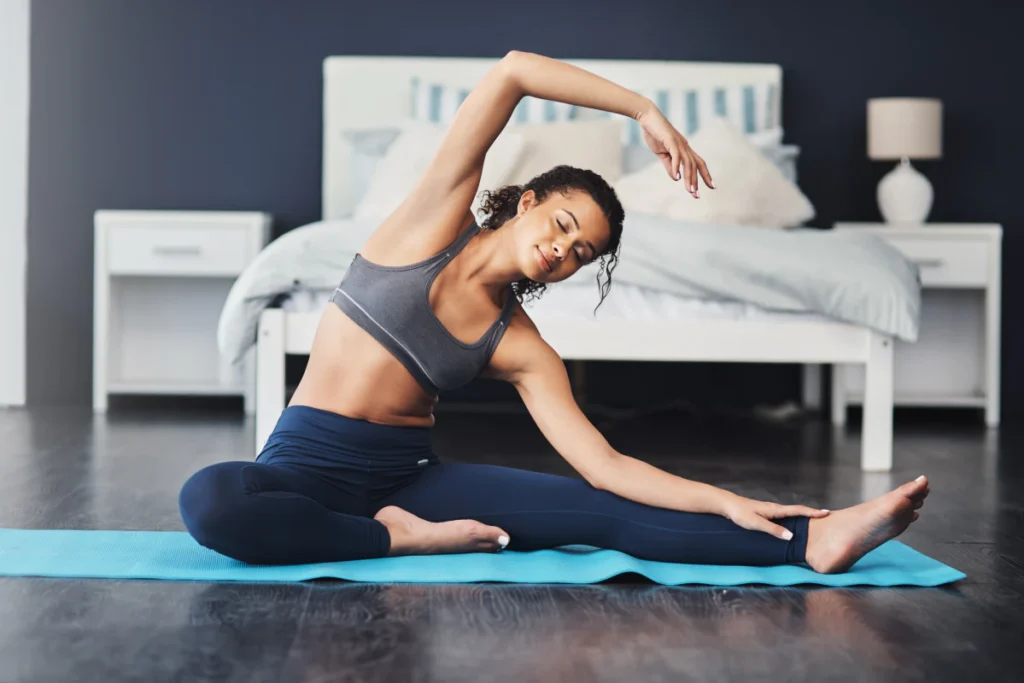
Cervical exercise can provide immediate relief for people with persistent neck and upper spine pain. These targeted movements help relax tensed muscles around the neck joints. As a result, they also help increase your overall spinal flexibility.
The neck bears a lot of strain, especially when sitting at a desk for many hours. This strain also occurs when spending prolonged time staring at screens. Consequently, poor posture limits natural head movement and leads to a stiff cervical spine.
How Cervical Exercise Can Support Neck Pain Relief
Cervical stretching exercises bring quick relief from neck pain. Performing these cervical stretches regularly will help you reduce tension and increase flexibility.
Your working posture usually makes you extend your head forward. As a result, more strain is created on your upper back muscles. Muscle tension also arises due to extended work periods. Furthermore, previous injuries may affect your cervical range of motion. Therefore, you can easily develop a stiff cervical spine.
These simple cervical pain exercises allow you to loosen tight muscles. Moving your neck regularly provides better blood circulation to the joint tissues. In addition, performing routine movements promotes strong muscle support for the spine. Simple cervical mobility exercises make routine daily tasks easy to perform. Consequently, gentle daily movement leads to lasting cervical pain relief.
The process starts with moving your head slowly to the side. Never force your head beyond comfortable limits. Such movements provide an opportunity to relax your muscles without additional strain. You will likely notice big progress within several weeks.
What Causes a Stiff Cervical Spine?
Your daily habits dictate how your neck acts on a daily basis. You keep your body fixed in one position when you sit at a computer. Similarly, using your cell phone means looking down, which puts heavy pressure on your upper back.
These stiff muscles constantly push on sensitive joints. Doing the same repetitive moves at work puts stress on these joints and cuts down their comfort. Furthermore, old sports injuries can leave behind tough scar tissue. This lack of movement makes everyday tasks feel quite painful.
Turning your head while driving becomes much harder over time. Simple chores at home can lead to muscle pulls from extra strain. Understanding these root causes helps in preventing a stiff cervical spine and keeping your neck comfortable.
Cervical Stretching and Range of Motion Exercises
Cervical exercise will help you protect the mobility of your joints for many years. With frequent cervical stretching, you can ensure that there is always smooth gliding of your joint surfaces. Always try to do all the exercises in a range that does not cause pain. Never jerk while performing any movements.
There are several useful exercises which you can include in your routine:
- Head rotations: Rotating your head slowly from side to side.
- Chin tucks: Pulling your chin back to keep your neck in alignment.
- Lateral flexion: Moving your head sideways to bring your ear closer to your shoulder.
- Flexion & extension: Moving your head slowly up and down.
- Shoulder blade squeeze: Squeezing your shoulder blades together.
Always choose those exercises which are suitable for your current physical state. The comfort level you feel should dictate your daily routine choices. You need to stop immediately or go slow in case you feel any pain. Doing exercises regularly is far better than stretching too hard.
Cervical Mobility Exercises for Better Movement
Targeted cervical mobility exercises ensure easy head movements daily. Everyday chores become much easier if your neck moves freely.
Mobility exercises focus on joint movement and control. Strength exercises, on the other hand, build up muscle power and stability. Light, controlled movements help your body cope with everyday stress. Slowly but surely, light activity increases your general range of motion.
Tracking your cervical range of motion makes your progress clear. Even slight progress each week indicates good physical adaptation.
| Exercise Type | Primary Focus |
| Cervical Mobility Work | Joint flexibility & smooth motion |
| Cervical Strengthening | Muscle power & neck stability |
Stay patient as you work through these light drills. Consistent work helps your neck handle daily tasks with ease.
Cervical Pain Exercises for Strength and Stability
Cervical pain exercises will help you develop important muscle strength around the spine. Well-developed muscles protect delicate joints from physical strain.
Practice easy movements for your neck and upper back. It is easy to correct your sitting posture by simply squeezing your shoulder blades. Strengthening your upper back significantly reduces pressure on your neck. Hence, increased muscle strength makes long working days much easier.
Gradually include new cervical pain exercises over several weeks. A careful approach is important if you have chronic spine problems. Past injuries require extra caution during every workout.
- Step 1: Focus on gentle mobility and light chin tucks.
- Step 2: Include simple isometric holds against light hand resistance.
- Step 3: Practice upper back posture work and shoulder squeezes.
Always pay attention to your body while practicing these movements. Immediately stop if you experience sharp pain or deep aches.
Ergonomic Workstation Setup to Prevent Spine Strain
Daily exercises work best when also paired with the right lifestyle changes. This includes a proper desk setup. Sitting with your head leaning forward or back hunched over adds heavy weight to your neck. Therefore, changing your workspace setup in a way that helps maintain proper posture will keep you from getting a stiff cervical spine.
The top third of your computer screen should sit right at eye level. Your elbows should bend at a simple right angle, so bring your keyboard close to avoid reaching. When you look at your mobile phone, hold it high so your head stays up. Otherwise, you can get “tech neck”.
- Screen Level: Place your screen right in front of your eyes so you do not twist your head.
- Chair Back Support: Put a small roll behind your back to keep the natural curve of your spine.
- Short Breaks: Stand up or shift your body every half hour to fix your posture.
Mixing quick desk fixes with regular cervical mobility exercises cuts down joint stress fast.
The Role of Breathwork and Mind-Body Tension
Daily stress puts heavy pressure on the muscles at the top of your spine. When stress levels jump, people often lift their shoulders and take short breaths. Over time, this habit creates tight muscles that lower your cervical range of motion.
Taking slow belly breaths calms your nerves and loosens tight muscle knots. Deep breaths from your stomach help the muscles in your upper back relax naturally. In addition, deep breaths mixed with gentle cervical stretching make total body relaxation easy.
Take five deep belly breaths before you start your movement steps. Always make sure to drop your shoulders down when you blow air out. This lower stress level helps tight spots relax and feel good.
Sleep Posture and Pillow Selection for Neck Support
How you sleep affects how your cervical spine heals at night. Sleeping in a bad position due to a flat bed or pillow keeps your neck bent for long hours. Proper sleep support is key to making your cervical spine rehabilitation work well.
Back sleepers should use a thin pillow to hold the natural curve of the neck without pushing the head up. Side sleepers should pick a thicker pillow to fill the empty space at the shoulders. Stomach sleeping is bad because turning your head to the side for hours strains delicate spine joints.
Good sleep support mixed with daily cervical exercise brings real comfort and flexibility to your neck each day.
Frequently Asked Questions
What is the best cervical exercise for neck pain?
The best cervical exercise depends entirely on the cause of your specific problem. The most common movements that relieve a stiff cervical spine are chin tucks and gentle head rotations. A customized rehab program always works best.
Can cervical stretching improve range of motion?
Yes, stretching greatly helps improve joint flexibility during everyday activities. It loosens the strained muscles which affect your natural mobility. Safe and painless movements bring about the best results.
How often should I do cervical pain exercises?
Most people benefit from practicing cervical pain exercises once or twice a day. However, your exact routine will depend on the severity of your symptoms. Always follow the instructions of your doctor or physical therapist.
What should I avoid when I have a stiff cervical spine?
Aggressive and jerky actions should never be done if you have problems with your neck. Never force your neck to move into uncomfortable angles if you have sharp pains in your neck. Stop if you feel weak or dizzy.
Using Cervical Exercise Safely for Long-Term Mobility
Regular cervical exercise will keep your neck healthy and comfortable over time. The more regularly you exercise, the more flexible and strong your spine gets. You should always concentrate on correct form and posture rather than forcing yourself through pain.
If you feel persistent pain, it is wise to consult an expert. This step ensures that your exercises are completely safe for you and do not cause further harm. Our providers can help with this by evaluating your condition and giving recommendations or referrals.
Reach out to us today at Surgery Consultants of Florida to schedule an appointment with our specialist team and protect your long-term neck health!