Recovering Stronger: Post-Knee Surgery Rehabilitation
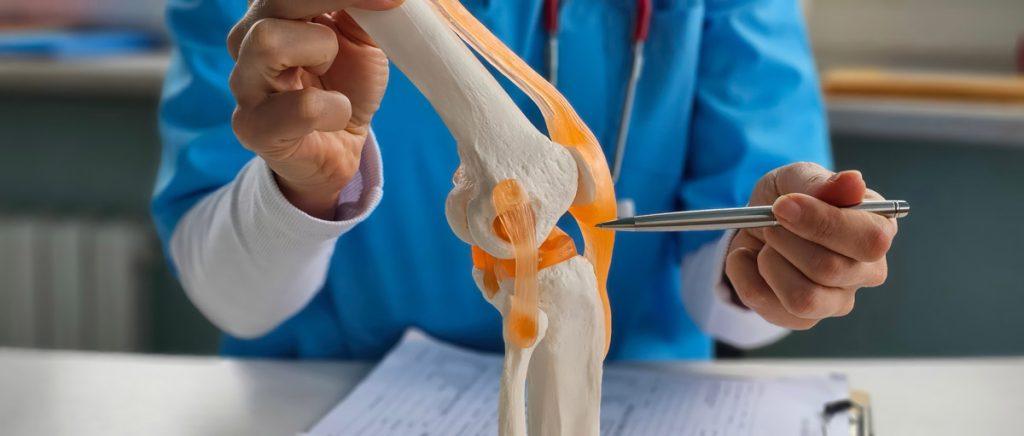
After surgery, you may feel unsure about what comes next. That’s normal, and you’re not alone. During knee surgery recovery, follow your doctor’s care plan closely. First, rest your knee and keep swelling low with ice and elevation. Then start gentle movements to keep the joint flexible. Later, seeking out a physical therapist would help you build strength and balance. Over time, you’ll walk, climb stairs, and move with more ease.
At the same time, the right care team can guide you. Surgery Consultants of Florida creates treatment plans based on your needs. Our surgeons focus on safe progress and strong joints, so you can return to daily life with confidence.
What Should You Expect During Early Knee Surgery Recovery?
The first days after knee surgery can feel unfamiliar and a bit uncomfortable. Many people feel this way. During knee surgery recovery, your goal is simple: protect the knee and help it start to move again.
Your care team checks your knee often. They watch swelling, pain, and movement. These checks help guide your healing. They also help your doctor adjust your care if needed.
Rest is very important at first. Still, gentle motion also helps your knee heal. Your doctor may ask you to raise your leg and use ice. These steps help lower swelling and ease discomfort.
Soon, your provider may start after knee surgery care routines. These may include light stretches and short walks. Small movements help blood flow through the knee. Good blood flow helps the joint heal.
Research shows early motion helps prevent stiffness after surgery. It also helps the knee bend more easily later. Because of this, doctors often start gentle movement early. These steps prepare your knee for therapy.
How Do Knee Rehab Exercises Support Faster Healing?
As healing continues, movement becomes very important. This is where knee rehab exercises help. These exercises build strength and improve motion. They also help your knee feel more stable.
Therapy often starts with small, easy movements. These help the joint move without stress. They also activate the muscles around the knee. Strong muscles help support the joint.
- Ankle pumps improve circulation.
- Heel slides support gentle bending.
- Quad sets strengthen key muscles.
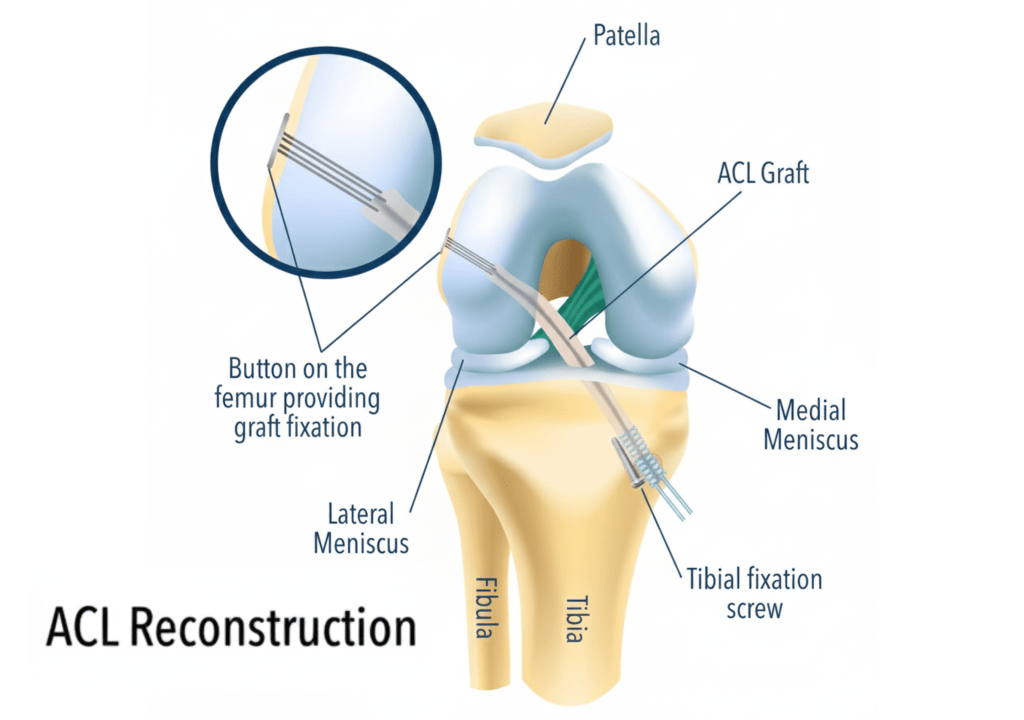
As your knee grows stronger, therapy slowly changes. Your therapist may add balance work and strength drills. These exercises help rebuild control in the knee. They also support ACL surgery recovery.
- Balance drills support ACL surgery recovery.
- Leg lifts help total knee replacement recovery.
- Controlled step work teaches safe movement patterns.
These exercises help your muscles work together again. They also improve balance while you stand or walk. Over time, daily movement feels easier. Regular practice also helps prevent reinjury.
What Helps You Stay on Track With ACL Reconstruction Recovery?
Healing from ACL surgery takes time. Some days may feel slow. That is normal during recovery. A clear plan helps you stay on track.
Your therapist guides each stage of healing. Early care focuses on motion and swelling. Later stages focus on strength and balance. This helps protect the healing ligament.
- Early goals guide your pace and protect the healing ligament.
- Targeted balance and strength drills improve knee stability.
- A structured plan lowers stress on the joint and reduces strain.
Your provider may change exercises as you improve. These changes help protect the knee. They also help prevent strain or overuse. This steady plan supports ACL surgery recovery.
Studies show structured rehab improves knee strength after ACL surgery. Guided therapy also helps restore safe movement. Many patients return to daily activity over time. Consistent rehab helps make that possible.
How Can You Improve Total Knee Replacement Recovery at Home?
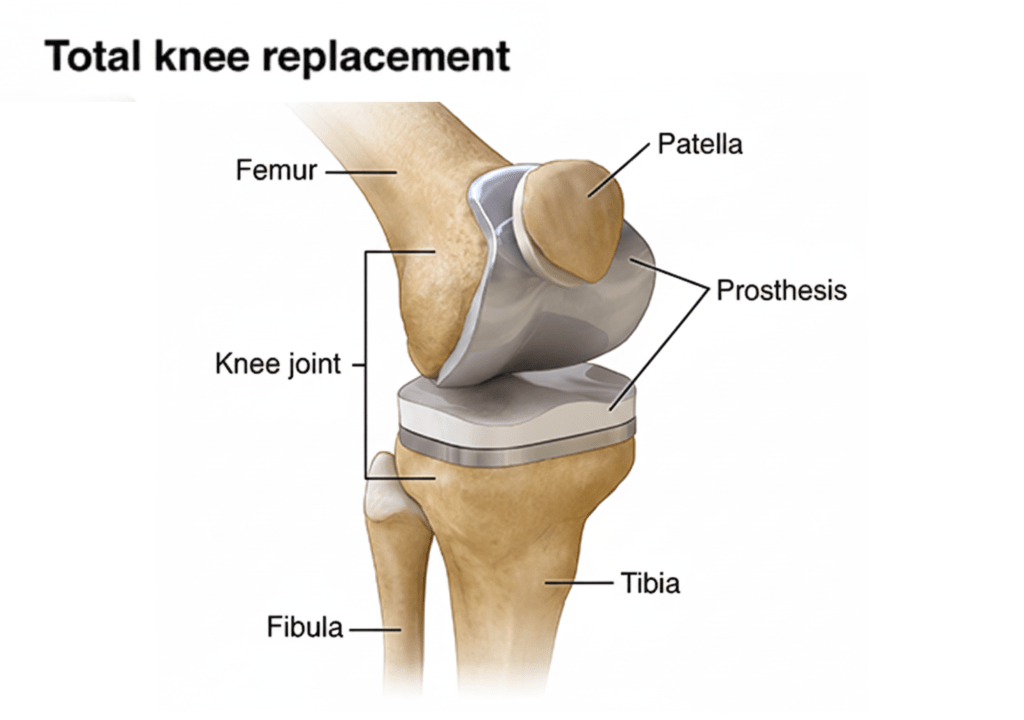
Recovery continues when you return home. Daily habits can help your knee heal. Simple routines help rebuild strength. They also support total knee replacement recovery.
Start with your home exercise plan. Gentle stretches help your knee bend and straighten. Short walks improve blood flow. These steps also help prevent stiffness.
Assistive devices may help during recovery. Walkers or canes support balance when you walk. They also reduce stress on the joint. Your provider will show you how to use them safely.
Research shows home exercise helps people regain movement sooner. Short walks during the day can improve mobility, as per another study. Frequent movement supports circulation and joint health. These habits help your knee recover steadily.
Call your provider if swelling or redness grows. Fever or sudden pain also needs attention. Early care helps prevent problems. With steady care, many patients regain strong knee movement.
What Long-Term Habits Strengthen Your Knee After Surgery?
The truth is, healing continues long after surgery. You may feel better, but your knee still needs care. During knee surgery recovery, daily habits help your knee stay strong. And the good news is that simple steps can protect your progress.
First, keep your body moving each day. Low-impact activities like walking, biking, or pool exercise help your knee stay strong. At the same time, gentle stretching keeps the joint loose. Strong muscles help support the knee and improve balance.
Also, try to keep a healthy body weight. Extra weight can place more stress on the knee joint. Research in orthopedic journals shows regular strength exercise lowers reinjury risk. It also helps people move more easily over time.
If discomfort grows or movement suddenly feels harder, call your provider. Early guidance helps protect your knee and support safe healing.
Get Ready to Start Your Recovery Journey With Surgery Consultants of Florida
Knee surgery is a big step. Healing after surgery can feel slow at times. You may feel sore, stiff, or unsure when moving. During knee surgery recovery, steady care helps your knee heal and grow stronger.
Also, good pain management after surgery helps you move with less discomfort. Ice packs can lower swelling. Gentle exercise can keep the joint flexible. In addition, doctors often suggest early rehab. Research shows guided rehab helps improve strength and knee motion.
At Surgery Consultants of Florida, we care for people hurt in accidents. Our surgeons and medical team have over 30 years of experience. We diagnose injuries and create clear treatment plans. Your care may include various therapy modalities, injections, or surgery if needed.
Most importantly, we guide you through each step of healing. Our team works with patients, doctors, and attorneys during care. We focus on safe treatment and clear communication. If you need help, call us today.
FAQs
1. How long does full recovery take after knee surgery?
Recovery time can vary for each person. It often depends on the type of surgery and your health. Many people return to basic tasks within six to twelve weeks. However, full strength can take longer.
During knee surgery recovery, your body needs steady care and patience. You may walk, cook, or shop again in a few months. Still, sports or heavy activity may take six to twelve months. That’s normal for many patients.
Follow your surgeon’s timeline and therapy plan closely. Physical therapy helps rebuild strength and joint control. In addition, steady rehab helps lower the risk of reinjury.
2. When is it safe to resume driving after knee surgery?
You may drive again when your knee moves well and reacts quickly. Also, your pain should stay under control. Most people return to driving within two to six weeks. Still, this depends on the type of surgery.
Right knee surgery may require more healing time. That’s because the right leg controls the brake and gas. So, always check with your surgeon before driving.
Also, avoid driving if you take strong pain medicine. These drugs may slow your reaction time. Safe driving should always come first.
3. When can I return to work after knee surgery?
Your return to work depends on your job duties. Desk jobs often allow a return within two to six weeks. However, heavy labor may require three months or longer. Your knee needs time to regain strength.
Talk with your surgeon and employer about your plan. You may start with shorter hours or lighter tasks. This approach helps protect the healing joint.
Also, ergonomic chairs, footrests, and good posture can reduce knee strain. Small changes can make work easier during healing.
4. Which foods or supplements support knee healing?
Food plays an important role in healing. Your body needs nutrients to repair tissue and reduce swelling. Try to eat lean protein, fruits, and vegetables each day.
Fish such as salmon provide healthy omega-3 fats. These nutrients may help reduce inflammation. Calcium and vitamin D also support bone health.
Also, drink enough water during recovery. At the same time, limit sugary or processed foods. Before starting supplements, ask your doctor to confirm they are safe.
5. Is numbness or clicking after surgery normal?
You may notice mild numbness near the incision. You may also hear light clicking when the knee moves. In many cases, these feelings improve with time.
Nerves and tissues need time to heal. Small changes in feeling can occur during recovery. Most patients notice improvement over several weeks.
However, call your surgeon if numbness worsens. Also, report strong tingling or loss of movement. Early care helps prevent long-term problems.
6. How do I manage scar tissue that limits motion?
Scar tissue can form as your body heals. Sometimes it may limit knee movement. However, early therapy can help reduce stiffness.
Stretching and guided exercise help keep the joint flexible. Physical therapy also helps maintain strength and motion. This supports pain management after surgery and daily movement.
If stiffness continues, your doctor may suggest other treatments. These may include special therapy or minor procedures. So, always discuss ongoing limits with your surgeon.