ACL Injury Prevention: Tips for Athletes
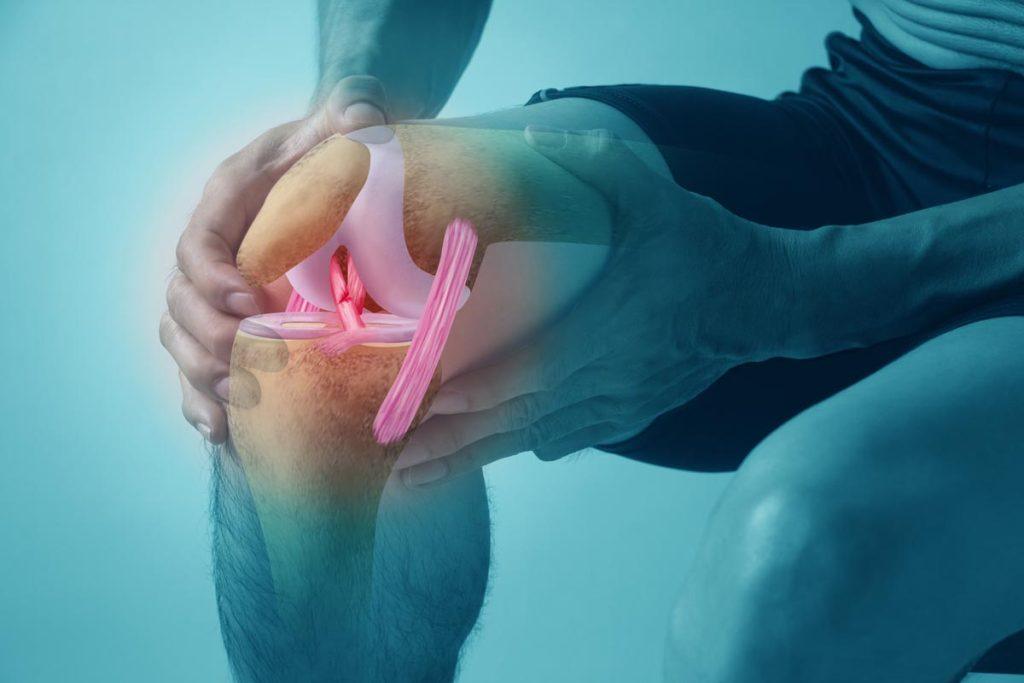
You can lower your risk of an ACL injury with the right training habits. Strong legs, good balance, and safe movement patterns protect your knees. When you train with control, you reduce stress during quick cuts and jumps.
Focus on strengthening your quads, hamstrings, and hips. These muscles help support your knee joint. Also, practice balance drills and proper landing form. Bend your knees and keep them in line with your toes. Studies show that neuromuscular training can reduce ACL tears, especially in young athletes.
At Surgery Consultants of Florida, our skilled surgeons create care plans built for athletes like you. We focus on strength, stability, and smart movement.
What Is an ACL Injury and Why Does Prevention Matter?
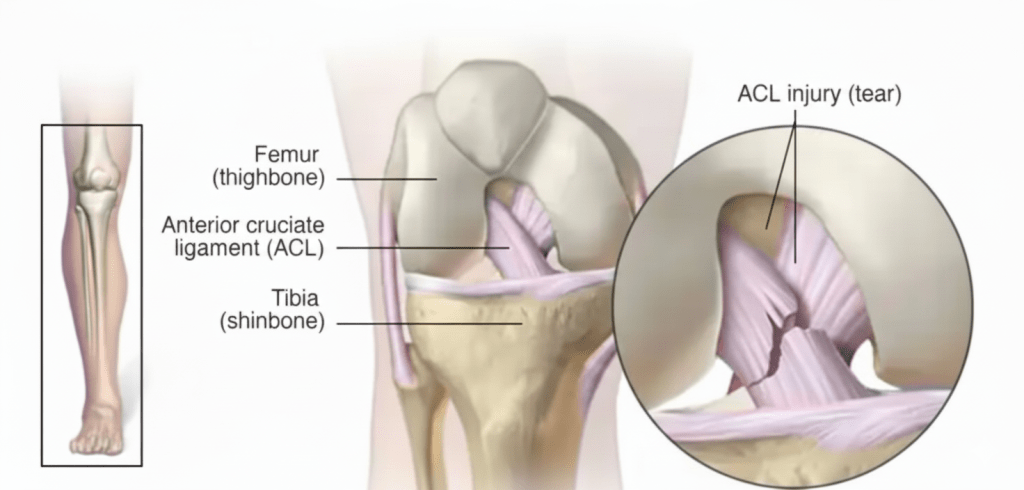
An ACL injury happens when a strong knee ligament stretches or tears. This often occurs during fast cuts, jumps, or quick stops. That ligament keeps your knee steady, so when it gets hurt, your knee may feel weak or unstable.
Prevention is important because it protects your knee for the long run. It can also lower pain and shorten recovery time. Most of all, it helps you stay in the game.
Key Reasons ACL Injury Prevention Is Essential
- Keeps your knee stable during sharp moves and landings.
- Lowers the risk of cartilage damage and early arthritis.
- Helps you train without a long time off.
- Builds strength and better body control.
Studies show that strong training programs can lower injury risk by up to 60%. These plans use balance and jump drills. When you make ACL injury prevention part of practice, you protect your knees and your future.
What are the Main ACL Injury Risk Factors Athletes Should Know?
If you play sports, you’ve likely heard about an ACL injury. It’s one of the most common knee injuries in athletes. In fact, about 100,000 to 200,000 ACL tears happen each year in the U.S. That’s a lot to take in.
So, what raises your risk?
Weak muscles, poor control, and quick direction changes add stress to your knees. Over time, that stress can lead to a tear. Also, uneven fields or worn shoes can add to the strain. When you understand these risks, you can train smarter and stay safer.
Below are ACL injury risk factors that athletes need to know.
Non-Modifiable Risk Factors
These are risks you can’t change, but you should know about them.
- Sex: Female athletes face higher risk due to body structure and hormone changes.
- Anatomy: A narrow knee notch or steep bone slope can stress the ligament.
- Genetics: If a family member had a tear, your risk may rise.
- Age: Athletes ages 15 to 25 have the highest rates.
- Previous injury: A past tear makes another one more likely.
- Joint laxity: Naturally loose ligaments can reduce knee stability.
Modifiable Risk Factors
The good news is you can improve these.
- Poor conditioning: Weak hamstrings, glutes, or core muscles lower knee support.
- Faulty movement patterns: Landing with straight knees increases strain.
- Low neuromuscular control: Poor balance can lead to unsafe moves.
- Fatigue: Tired muscles can’t protect your knee well.
- Sport type: Cutting and pivoting sports raise exposure.
- Equipment and surfaces: Turf and worn cleats may increase stress.
With that in mind, strength training and balance work really help. Programs that focus on jumping and landing form can cut injury rates by up to 50%. When you train with purpose, you lower your risk and protect your future in sports.
How To Prevent ACL Injury With Knee Stability Exercises?
If you play sports, your knees take a lot of force. That’s why learning how to prevent ACL injury really matters. It can help you stay active and avoid time off.
An ACL injury often happens when you cut or pivot quickly. It can also happen when you land the wrong way. That’s because your knee may shift out of line. When that happens, the ligament feels too much stress.
The good news is you can train your body to move better.
First, make your legs and hips stronger. Strong muscles help hold your knee steady. Try squats and lunges. Add hamstring curls and calf raises. These moves support your knee each time you run or jump.
Next, work on balance. Stand on one leg for 20 to 30 seconds. Then switch sides. You can also try side steps with a band. This helps your body stay in control.
It’s a lot to think about at first. And that’s okay. Start with a few moves and build from there.
You should also practice soft landings. Bend your knees and keep them from falling inward. Research shows that ACL prevention exercises can cut injury risk in young athletes by up to half. Essentially, when you train with care, you protect your knees and improve your game.
How To Avoid ACL Injuries When Running With Proper Technique?
If you love to run, you put steady stress on your knees. So, learning how to prevent knee injuries when running is key. It can also lower your risk of ACL injury.
First, watch how your foot hits the ground. Land softly with your knees slightly bent. Also, keep your knees from falling inward. This helps your body absorb shock the right way.
Next, tighten your core and hips as you run. Strong hips help keep your knees in line. In other words, good form protects your ligaments.
It’s easier said than done, especially when you feel tired. However, don’t rush your pace or distance. Gradually increase your miles each week. This helps prevent form breakdown.
You should also add strength training. Work your quads, hamstrings, and glutes. Balance drills can help, too. Research shows better movement control lowers knee strain. When you train smart, you run safer and stronger.
What Are the Best Exercises to Strengthen Knees for ACL Injury Prevention?
If you play sports, strong knees really matter. They help lower your risk of ACL injury. Therefore, adding the right moves to your routine can make a big difference.
Start with squats and lunges. These build your thigh and hip muscles. Also, try hamstring curls and calf raises. Strong muscles help hold your knee in line.
On top of that, add balance drills. Simple exercises to strengthen knees improve control and stability. Research shows strength and balance training can lower injury risk by up to 50%.
| Exercise Name | Key Benefit | Tip |
| Squats | Strengthens quads & glutes | Keep knees behind toes |
| Lunges | Improves knee alignment | Align knees over feet |
| Hamstring Curls | Supports ACL with hamstring strength | Slow, controlled movement |
| Calf Raises | Enhances lower leg stability | Rise on your toes fully |
| Clamshells | Strengthens hips & core | Use a resistance band |
| Single-leg Stands | Improves joint stability | Keep core engaged |
| Soft Landings | Trains safe landing mechanics | Bend knees, land quietly |
Protect Your Knees and Prevent ACL Injuries with a Surgery Consultant in Florida
Many athletes struggle with weak knees, poor balance, and past injuries, which in turn increase the risk of ACL tears. Additionally, recurring joint pain and improper movement patterns can limit performance, disrupt training routines, and cause frustration. Consequently, these challenges make staying active safely a constant concern and raise the likelihood of long-term knee damage.
Surgery Consultant Florida provides expert guidance to address these issues effectively. They create personalized exercise programs to strengthen muscles, improve knee stability, and correct movement techniques. With professional monitoring, athletes can reduce ACL injury risks, regain confidence in their movements, and maintain peak performance safely while minimizing the chance of setbacks.
FAQs
Can ACL injuries heal without surgery?
Minor ACL sprains or partial tears can improve with rest, physical therapy, and targeted strengthening. However, complete tears usually require surgery to restore full knee stability. Therefore, early evaluation and a structured rehabilitation program help athletes regain function and reduce long-term complications.
How long does it take to recover from an ACL injury?
Recovery largely depends on injury severity and the chosen treatment type. For instance, non-surgical rehabilitation typically takes 3–6 months, whereas post-surgery recovery can range from 6 to 12 months. By consistently following physiotherapy and strength training and gradually resuming activity, athletes can ensure safe knee function and significantly reduce the risk of reinjury.
How to prevent knee injuries when running?
Preventing knee injuries while running begins with maintaining proper form and gradually increasing intensity. Keep your knees slightly bent, hips and core engaged, and land softly to reduce impact. Additionally, strengthening your quadriceps, hamstrings, glutes, and core improves stability. Combined with balance and agility exercises, these habits lower stress on the knees and minimize injury risk.
What role does footwear play in ACL injury prevention?
Proper footwear supports traction, shock absorption, and alignment. However, worn-out or inappropriate shoes can increase knee stress during sudden stops and pivots. Therefore, by using sport-specific shoes and replacing them regularly, athletes can maintain safety and effectively reduce the risk of ACL injuries.