Getting Back Into the Game: Recovering From ACL Surgery
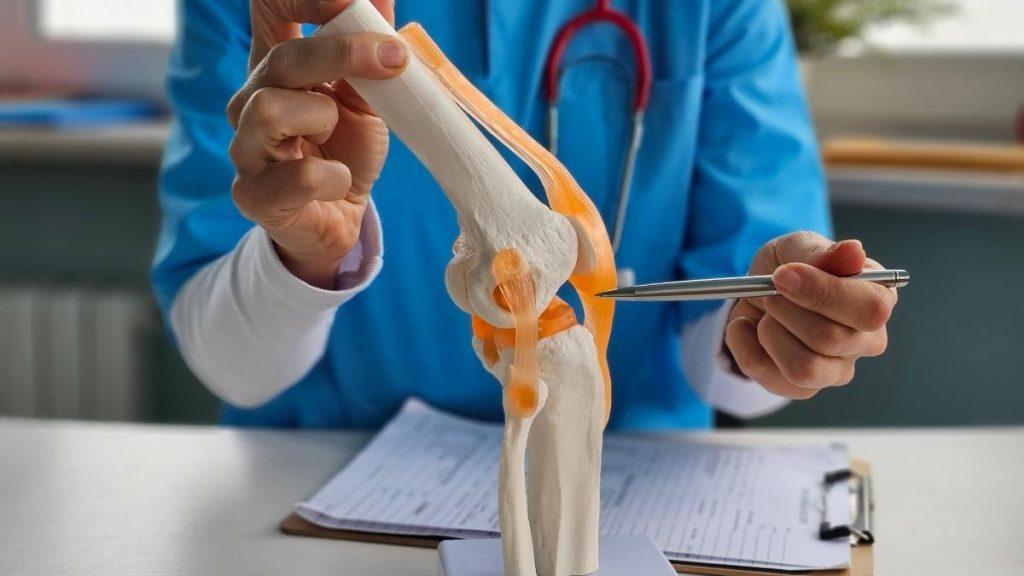
The anterior cruciate ligament (ACL) plays a vital role in stabilizing the knee joint, connecting the thighbone to the shinbone. Unfortunately, serious accidents such as car crashes, slips and falls, or sports injuries can damage this ligament and cause significant pain and mobility issues.
When the ACL is torn or severely injured, surgery may be necessary. Recovery requires patience — returning to driving, walking comfortably, or playing sports should only happen after your doctor confirms it’s safe. At Surgery Consultants of Florida, we offer clear guidance on what to expect from ACL surgery and how to navigate the healing process.
With expertise in orthopedic surgery, regenerative therapy, and interventional pain management, we create tailored treatment plans to help patients recover safely and effectively. Our mission is to get you back on your feet with confidence while ensuring long-term joint stability.
What to Expect From ACL Surgery
If you tear your ACL, you may suffer from knee pain, knee inflammation, stiffness, or knee swelling. These may make basic things more difficult, or even impossible, to do. When the damage is severe, ACL surgery may be recommended. Here are answers to your most frequently asked questions about ACL surgery.
What Is ACL Surgery For?
ACL repair surgery is commonly done for ACL tears. Younger people or those who are active are at a higher risk of ACL injury, and ACL repair surgery may be recommended. Before proposing this surgery, doctors will do a thorough examination to determine if it is advised in your case. Don’t get confused. ACL procedures are different from knee replacement surgery. In a knee replacement, the damaged surfaces of the knee joint are replaced with artificial components. The ACL may not be removed.
How ACL Repair is Done
In an ACL repair, surgeons will make tiny cuts to insert a small camera called an arthroscope inside your knee to check the damage. A new graft, which can come from your body or a donor, may be used to replace your damaged ligament. Holes are drilled into your knee joint, and screws and buttons are placed to hold the graft in place. The entire surgery routinely lasts from one to two hours.
What You’ll Feel After Surgery
After ACL repair surgery, knee swelling or knee inflammation may occur. You may be advised to use crutches and other tools that can assist in recovery.
How Long Does ACL Surgery Recovery Take?
Getting ACL surgery is the easy part. The hard part is recovery after the procedure. You must be patient if you want a faster, smoother knee recovery. Here’s a clearer view of the ACL surgery recovery timeline:
- Week 1: You need rest — a lot of it. You must also elevate your leg, ice it, and wear a brace.
- Weeks 2 to 6: During this period, you must focus on physical therapy to improve movement and flexibility. This will also help to reduce swelling and improve blood circulation.
- Weeks 6 to 12: Strength and balance exercises will start at this point in your recovery. Walking and other light activities should be easier and less painful now.
- Months 3 to 6: Your doctor may now allow you to drive again once the swelling is down. Don’t do too much, however, as your knee still needs time to completely recover.
- Months 6 to 12: Now is the time to begin training for your full comeback. This means that it should be safe to start jogging, jumping, and doing other sporty activities.
Knee surgery for ACL injuries requires months, or longer, for a full recovery. The key here is not to rush things. Take one small step at a time. Full ACL surgery recovery isn’t about luck. It’s about following the plan and staying committed, even if your progress feels slow.
Want Faster ACL Surgery Recovery? Follow These Tips
Getting through ACL surgery requires patience. Recovering quickly after an ACL injury, without setbacks, takes time. Here are useful tips you can follow to speed up your recovery process.
Stick to Your Rehab Schedule
Don’t skip your therapies. Treat them as if they are part of your job. Every session you miss slows your progress. Do your exercises and strictly follow the therapist’s instructions.
Manage Pain and Swelling
During the first weeks of knee recovery, you must actively try to manage pain and swelling. You may be advised by your doctor to take nonsteroidal anti-inflammatory drugs (NSAIDs) or other pain medications. Always check with your doctor first before doing so.
Eat Healthy Meals
Choosing foods that can help with recovery may speed up your recovery process. Avoid snacks and other unhealthy foods for now. Instead, focus on lean meat, high protein, vegetables, and fruits.
Move Lightly
Yes, it’s important to move, but focus on light activities. Use your crutches and other recovery tools as needed during recovery.
Cooperate With All of Your Medical Providers
After your surgeon completes your ACL surgery, they will also monitor your recovery process. Follow their instructions and cooperate with them until you fully recover.
Looking for an ACL Surgeon? Surgery Consultants of Florida Can Help
If you’ve torn your ACL in a car crash, sports injury, or slip and fall, knowing where to turn for the right care can feel overwhelming. At Surgery Consultants of Florida, our fellowship-trained orthopedic surgeons and medical team specialize in treating accident-related knee injuries, including advanced ACL repair procedures.
We don’t just perform surgery — we create a comprehensive care plan tailored to your recovery, which may include regenerative therapy, interventional pain management, and rehabilitation guidance to help restore mobility and stability. With over 30 years of medical experience, our focus is always on compassionate care and getting you safely back to your daily life.
Call us today and connect with trusted ACL specialists at Surgery Consultants of Florida.